Every year, without fail, I run comprehensive blood work.
Not because something is wrong, but because midlife isn’t a season where I like to guess.
In our 20s and 30s, we can often push through low energy, poor sleep, or stress and bounce back quickly. Midlife feels different, with shifting hormones and changes in how our bodies recover. Muscle takes more intention to build, and stress can seem to land harder and linger longer.
And menopause adds another layer.
As estrogen declines, systems that once felt automatic — mood stability, sleep, recovery, bone health, and resilience to stress — become more sensitive to the small things we may never have needed to think about before.
This is why paying attention to what’s happening beneath the surface becomes so important in this season of life.
One of the ways I do that is by running comprehensive blood work each year as a way to better understand what my body needs as it changes.
One marker I consistently track — and one I see overlooked all the time — is vitamin D.
Here’s something I often ask women to think about:
Do you notice that you feel happier during the summer months?
That your energy feels a little better… or your menopause symptoms seem less intense?
Many women assume it’s simply more sunshine, vacations, or spending time outdoors. But sometimes there’s another reason.
Vitamin D levels naturally rise with sun exposure, and seasonal improvements in mood, energy, and overall well-being can be a clue that this is something worth investigating.
In midlife, foundational habits matter more than ever.
One reason I test vitamin D specifically is that symptoms alone don’t tell the full story. Many lab reports label levels as “normal,” but normal doesn’t always mean optimal — especially in menopause, when bone health, muscle maintenance, mood, and recovery become more sensitive to nutrient status.
Testing allows us to move beyond guessing and understand what the body actually needs.
Want to Know the Exact Lab Markers I Track Each Year?
I created a free resource you can take to your next appointment:
The Midlife Lab Marker Cheat Sheet
The Blood Markers I Track Each Year (and Why They Matter After 40)
Why Vitamin D Matters So Much in Midlife
Most women I work with want to lose fat, build muscle, and have more energy. Underneath those goals is usually a desire to feel strong, capable, and steady again.
That means supporting muscle, protecting bone, improving metabolic resilience, and helping energy feel more stable day to day.
Often called the sunshine vitamin, vitamin D functions more like a hormone than a traditional vitamin, influencing muscle function, bone metabolism, immune signaling, inflammation balance, and mood regulation — systems that directly affect how we feel and perform.
Vitamin D contributes to:
- Bone strength and maintenance
- Muscle contraction and recovery
- Immune resilience
- Mood stability
- Inflammation balance
- When levels are low, the signs are often subtle — workouts feel harder, recovery takes longer, energy feels flatter, or joints feel slightly achier. It’s easy to assume this is simply aging or menopause. Often, it’s a body asking for better support.
Why So Many Midlife Women Are Low (even if they get outside)
Vitamin D deficiency is incredibly common worldwide, even among otherwise healthy adults.
Several factors contribute:
- Increased indoor living
- Sunscreen limiting vitamin D synthesis
- Insufficient winter sunlight
- Aging skin producing vitamin D less efficiently
- Body fat storing vitamin D and lowering circulating levels
- Stress and gut health influencing absorption
I’ve personally tested low more than once — even when I believed I was getting enough sun.
That experience reinforced why I test annually. Not to be obsessive, but to stay informed. Data allows thoughtful adjustments instead of reactive decisions.
Functional Ranges vs. Conventional Ranges
One of the most valuable concepts I learned during functional nutrition training was the difference between normal and optimal lab ranges.
Conventional lab ranges are designed to identify disease. Functional ranges look at how well the body is actually functioning.
Vitamin D is a clear example.
Many labs consider 30 ng/mL normal.
Yet many functional practitioners aim for levels closer to 40–60 ng/mL
This range is commonly associated with stronger musculoskeletal support, immune balance, and healthier inflammation regulation during midlife.
Optimal levels vary between individuals, which is why testing matters.
Maybe this is my engineering brain, but better data leads to better decisions. When we understand what’s happening beneath the surface, we can support the body more intentionally.
👉 The testing platform I use personally is Function Health

Why Taking Vitamin D Incorrectly Doesn’t Help
Once someone begins supplementing, how vitamin D is taken can matter just as much as whether it’s taken at all.
Vitamin D is fat-soluble, meaning absorption traditionally depends on dietary fat and digestion. Taking it on an empty stomach — especially with black coffee — may reduce how efficiently it is absorbed.
Pairing supplementation with meals containing healthy fats can improve consistency over time.
But delivery form matters too.
Why Vitamin D Should Be Paired with K2 (and why form matters)
Vitamin D increases calcium absorption, while vitamin K2 helps direct calcium into bones rather than soft tissues, supporting both skeletal and cardiovascular health.
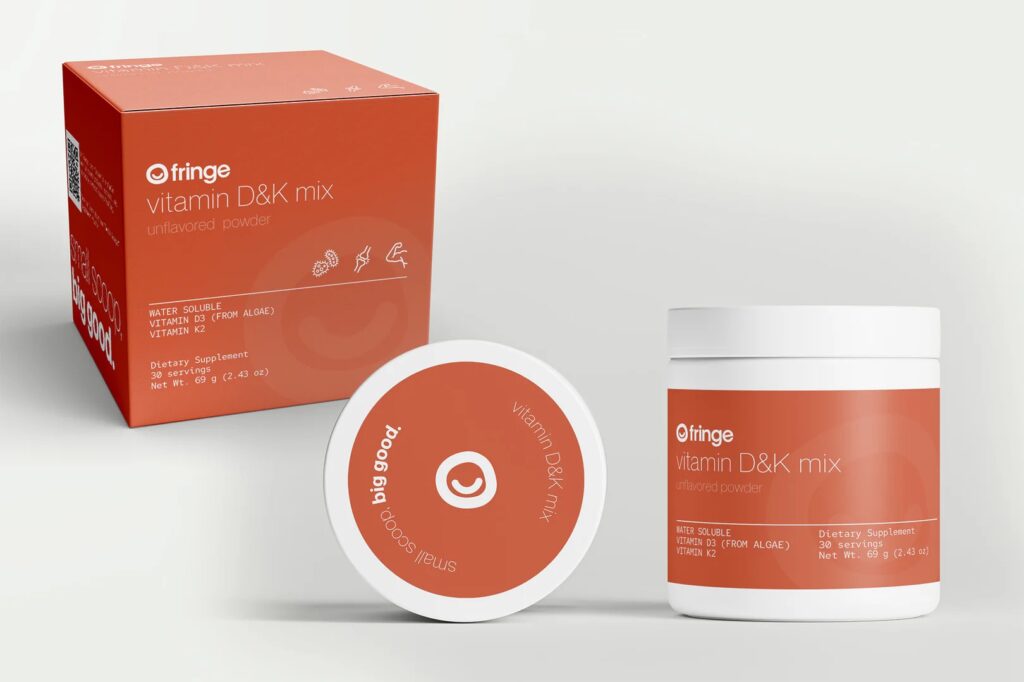
The vitamin D + K2 supplement I personally use is Fringe D+K Mix because it’s formulated differently from many traditional options.
Fringe uses a water-soluble delivery system designed to support absorption while allowing flexibility around meal timing and composition.
It is also:
- Flavorless and easy to mix into drinks
- Third-party tested for heavy metals, molds, and pesticides
- Easy to take consistently — most adults do well with one scoop daily, though needs vary based on lab results
Fringe has a full range of supplements — including a high-quality magnesium mix and electrolyte formulation — and the red-light therapy devices I use.
You can find the full line of Fringe supplements and therapy devices here:
👉 Fringe Heals – use code CoachChris10 for 10% off
Bringing It All Together
Midlife health isn’t about doing more or chasing perfection. It’s about understanding how your body is changing and giving it the support it needs to stay strong, resilient, and energized for the decades ahead.
Vitamin D is just one piece of that bigger picture — but it’s a foundational one that often goes overlooked.
If you’d like help understanding what your labs actually mean, my free guide walks through the markers I personally track each year and why they matter after 40.
Access my Midlife Lab Marker Cheat Sheet here:
👉 The Midlife Lab Marker Cheat Sheet
If reading this makes you realize how many pieces of midlife health are connected — nutrition, strength training, recovery, hormones, and supportive supplementation — that’s exactly the work we do together inside my Midlife Nutrition and Fitness program.
You can learn more about my next group here:
👉 Midlife Metabolism Reset
Midlife isn’t about doing more. It’s about doing the right things with better information.
Rooting for you,
Chris
Disclaimer
This article is for educational and informational purposes only and is not intended to diagnose, treat, cure, or prevent any disease. The information shared reflects general health education and should not replace personalized medical advice. Always consult your physician or qualified healthcare provider regarding your individual health needs, lab interpretation, or supplementation decisions.
Research & Educational Sources
https://ods.od.nih.gov/factsheets/VitaminD-Consumer
https://www.ncbi.nlm.nih.gov/pmc/articles/PMC9573946
https://www.ncbi.nlm.nih.gov/pmc/articles/PMC4316873
https://www.ncbi.nlm.nih.gov/pmc/articles/PMC10291614
https://www.ncbi.nlm.nih.gov/pmc/articles/PMC3408996

